Considering IVF? Start with these seven key stages
A plain-language roadmap from initial assessment and cycle monitoring to embryo development and next-step planning.
Read the guide → SIVFADVISORY
ASIA'S GATEWAY TO U.S. FERTILITY CARE
One clear path from first questions to clinical care.
Clear education, planning and high-touch coordination for IVF, donor conception, fertility preservation and cross-border family building—with a U.S. clinical landing point in Saipan when appropriate.
Transparent planning · U.S. pathways · Strict privacy · Every family respected
NEW VIDEO
A practical comparison of IVF pathways in China, Japan, Thailand, the United States and Saipan—including access, treatment options, travel, language and follow-up care.
English audio with English and Simplified Chinese subtitles.
Watch on YouTubeWHY SIVF ADVISORY
Not another list of providers. A clearer way forward.When medicine, donors, cryogenic shipping, law and travel are connected, families need someone who can see the whole journey. We help you understand the questions, compare pathways, define professional roles and keep every transition visible.
WHO WE SERVE
We begin with your identity, goals, timeline and privacy needs before discussing any provider or program.
Respectful, inclusive planning for same-sex couples, transgender clients and diverse family structures.
Tell us what you are considering →Support across donor sperm, donor eggs or embryo donation, including screening, records and clinical handoffs.
Tell us what you are considering →A coordinated view of medical records, travel, laboratory handoffs, reproductive-tissue transport and follow-up.
Tell us what you are considering →Discreet, time-conscious service for clients who value quality, continuity and a single accountable advisor.
Tell us what you are considering →Minimal data collection, clear consent and carefully managed communication for deeply personal decisions.
Tell us what you are considering →
LGBTQ+ & SOLO PARENT PATHWAYS
Saipan offers an English-speaking, culturally welcoming entry to U.S.-aligned fertility care for LGBTQ+ couples and single intended parents. Donor, IVF, embryo and parentage planning are coordinated with licensed medical and legal professionals for each individual case.
Eligibility and legal outcomes depend on provider policy, treatment facts and the laws that apply to every jurisdiction involved.
Explore inclusive care in Saipan ↗
THE LOGIC BEHIND SAIPAN
Saipan is part of the United States and sits in the Western Pacific. For many Asian families, it can bring a U.S.-aligned clinical environment substantially closer than the U.S. mainland.
SIVF Advisory Asia is the education and planning brand operated by Saipan IVF Center, LLC. Advisory and clinical responsibilities remain clearly separated: licensed clinicians own medical decisions.
BUILT AROUND ASIA
Our network is designed around different languages, cultural expectations, family structures and donor preferences across Asia. Every person is reviewed as an individual—not a demographic label.

ONE COORDINATED PLATFORM
YOUR ROADMAP
Turn your family goals, records, timing, risk questions and budget into a practical plan.
PREPARE WITH PURPOSE
Build a more stable foundation for treatment through education around nutrition, movement, sleep, weight and stress.
CURATED, NOT CROWDED
Coordinate sperm banks, egg and embryo donation, cryogenic transport and cross-border logistics around your pathway.
ONE POINT OF CONTACT
One advisor connects appointments, documents, interpretation, travel, accommodation, clinical milestones and follow-up.
CLEAR PROFESSIONAL ROLES
Coordinate independent counsel for agreements, privacy, parentage, citizenship and birth-document planning.
CARE WITHOUT JUDGMENT
Respectful, non-judgmental support for every family form through waiting, choices and uncertainty.
YOUR DEDICATED ADVISOR
Your advisor is not a substitute for a physician or lawyer. They are the person who organizes the questions, brings the right professionals together, records key decisions and prepares you for each next step.
YOUR JOURNEY, MADE VISIBLE
Based on the international patient pathway in the Saipan IVF Center Asia business overview, preparation begins near home and moves into physician-led care and embryology in Saipan.
LEARN BEFORE YOU DECIDE
Carefully bounded fertility education designed to help you ask better questions in every professional consultation.
Visit the education center
A plain-language roadmap from initial assessment and cycle monitoring to embryo development and next-step planning.
Read the guide →
Donor matching goes beyond appearance and background. Screening, genetics, consent, shipping and clinic acceptance all matter.
Read the guide →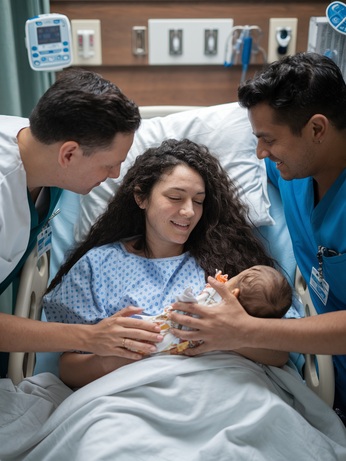
A reliable journey aligns source records, laboratory acceptance, cryogenic transport, storage and clinical timing.
Read the guide →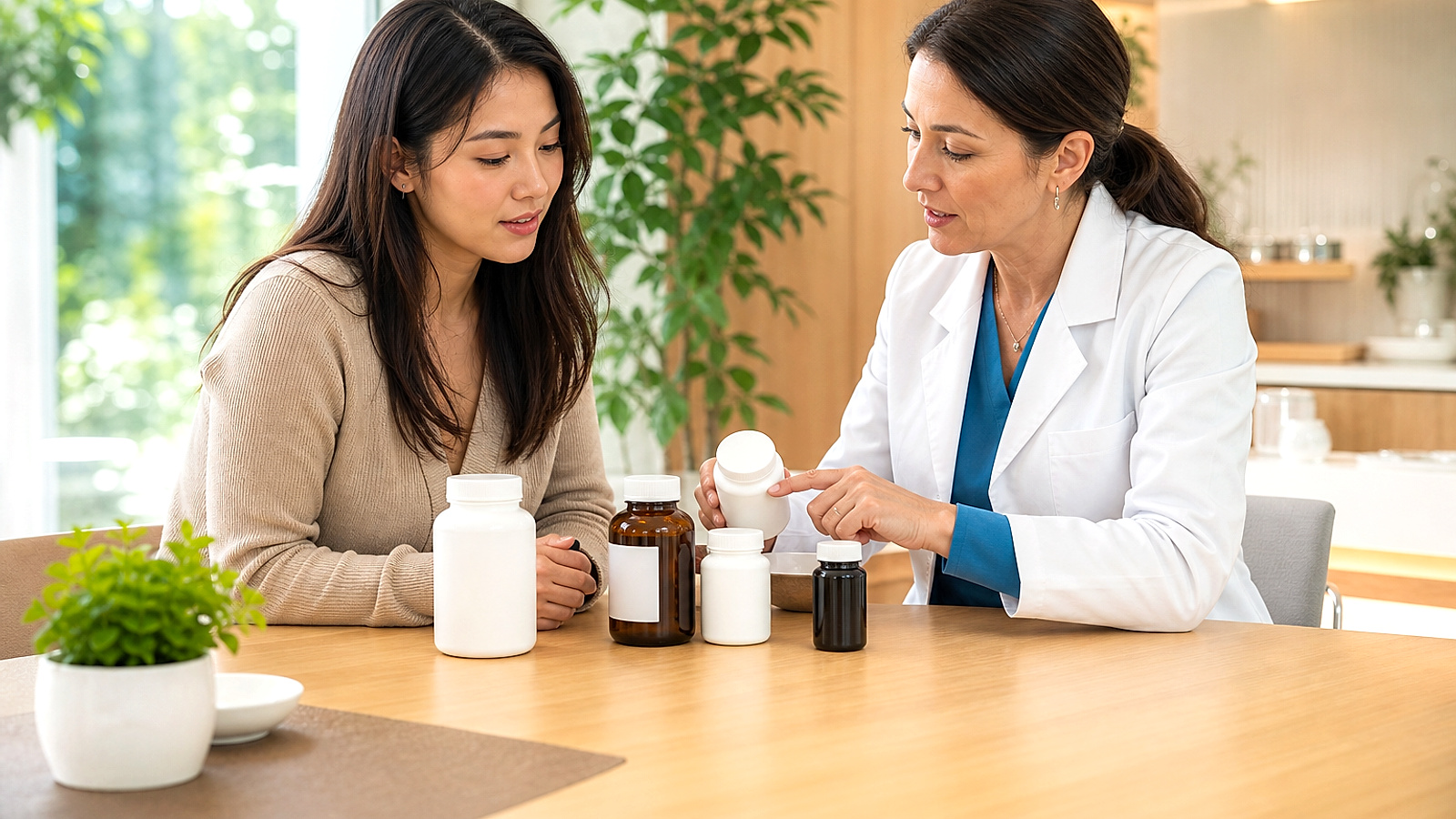
Why medicines, vitamins and herbal products deserve one complete, individualized review before treatment decisions.
Read the guide →
What mainstream evidence actually supports about nutrition before and during IVF, what is oversold, and why your diet questions deserve an individualized review.
Read the guide →
What sleep can and cannot do during IVF preparation—hours, sleep quality, melatonin, night shifts and sleeping positions after embryo transfer, explained without hype.
Read the guide →
What research actually says about stress and IVF outcomes, practical ways to reduce stress during treatment, and when professional mental-health support is worth seeking.
Read the guide →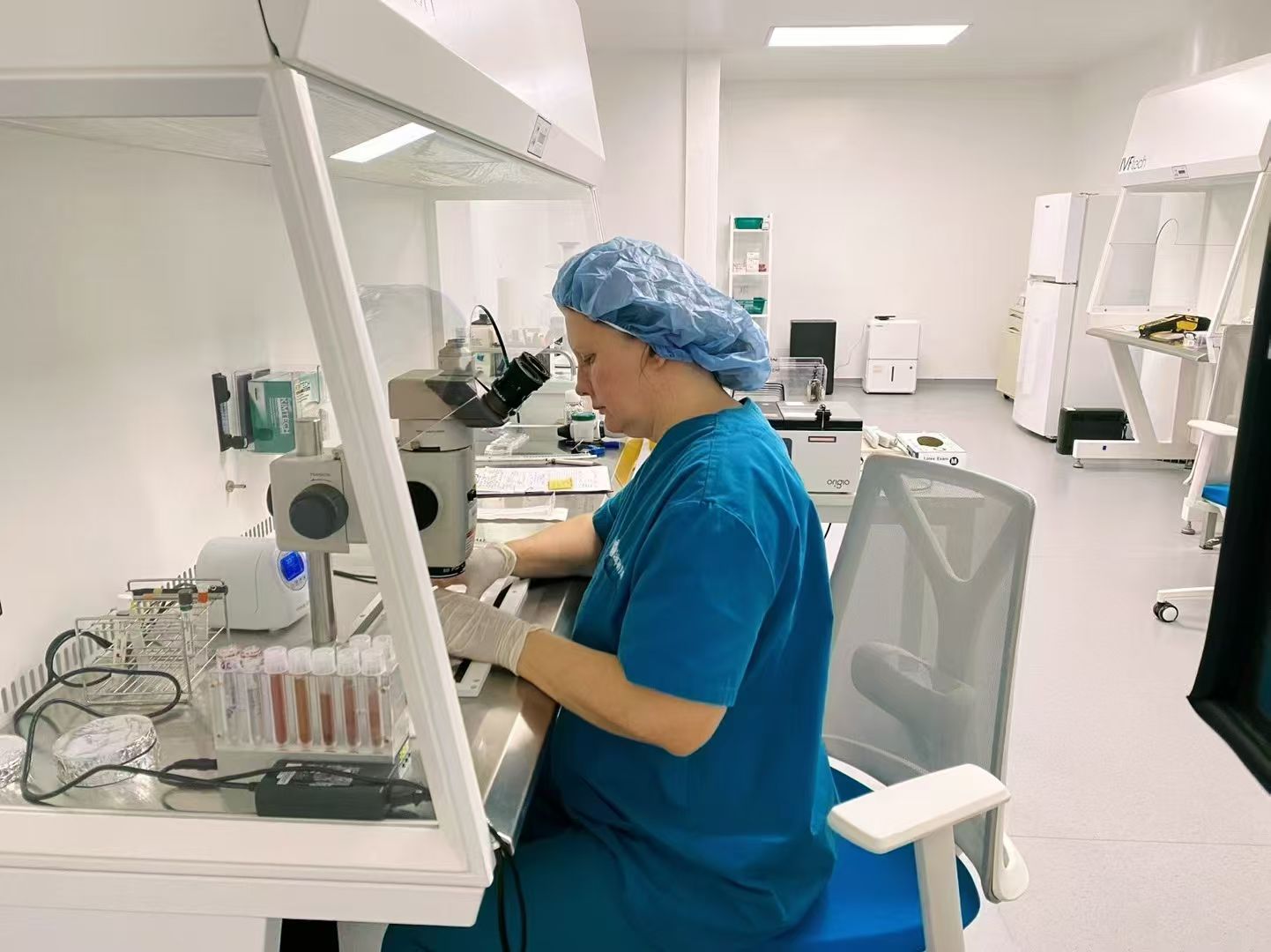
A plain-language guide to the egg freezing process, step by step—from consultation and ovarian stimulation to retrieval, vitrification and storage—and the questions worth preparing before a consultation.
Read the guide →
How activity may support wellbeing before and during IVF, how to adjust around ovarian stimulation, egg retrieval and embryo transfer, and which symptoms warrant a prompt call to the care team.
Read the guide →
A plain-language guide to the medical records overseas fertility clinics commonly request before a first consultation, what each document actually contains, and why the receiving clinic and a licensed physician define the real requirements.
Read the guide →A practical guide for people in the Philippines researching fertility treatment overseas — how to compare destinations, verify travel and entry requirements, coordinate records and monitoring, and prepare for a consultation.
Read the guide →A plain-language guide for people in India researching IVF abroad — how to compare destinations, verify travel and entry requirements, coordinate records and monitoring, and prepare for a consultation.
Read the guide →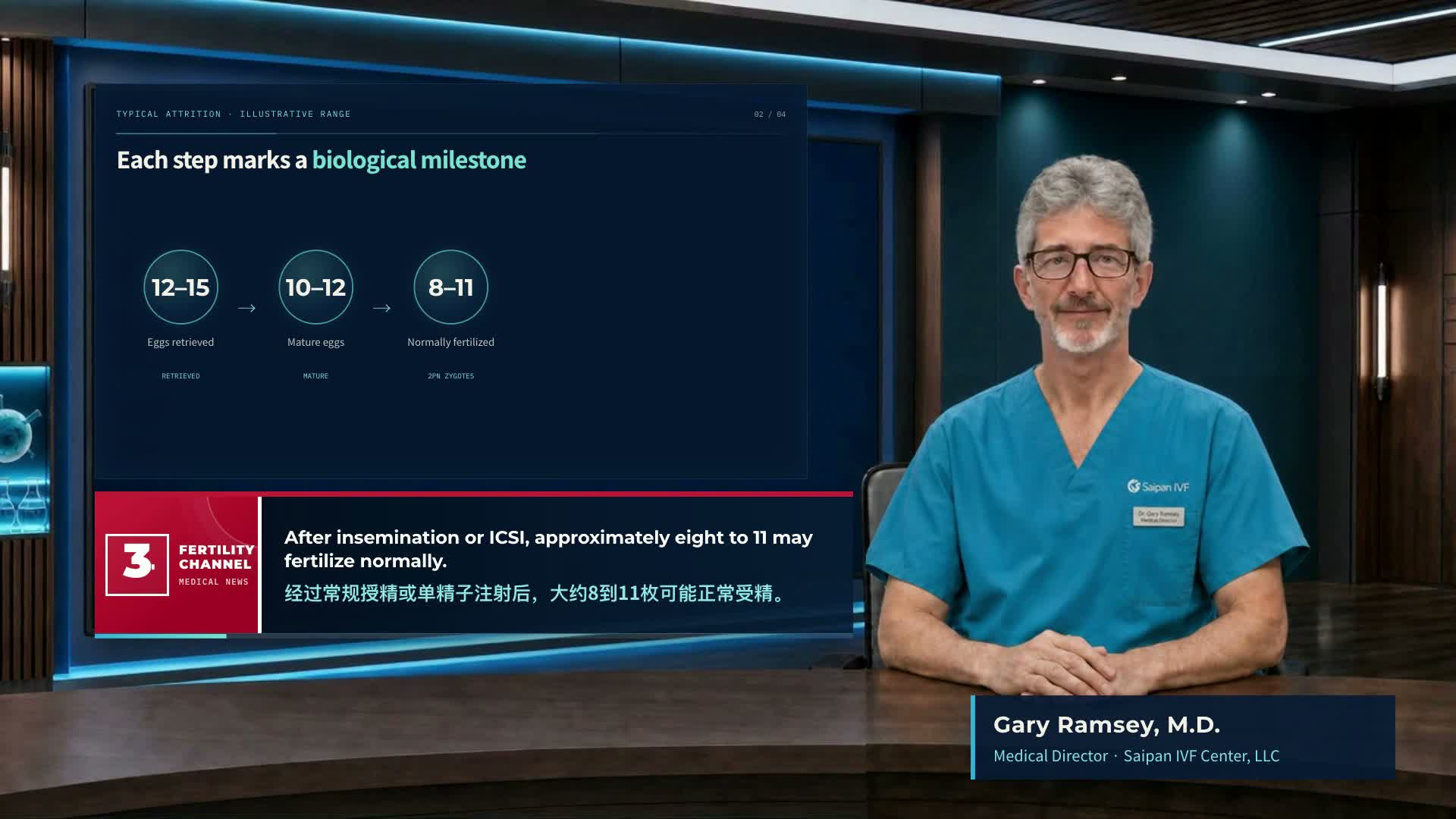
A clear guide to the history, ovarian reserve, ultrasound, semen and other checks a clinic may consider before IVF—and why not every test is routine.
Read the guide →What happens on embryo transfer day, why a full bladder and scheduled medicines are requested, and what the evidence says about bed rest, food and activity afterwards.
Read the guide →What anti-Müllerian hormone (AMH) is, how the blood test works, what low and high results generally suggest, and why AMH is a planning tool for a physician rather than a verdict on fertility.
Read the guide →A plain-language guide to the main medication groups used in an IVF cycle - stimulation injections, ovulation-blocking medicines, the trigger shot and progesterone - and why every prescribing decision belongs with a licensed physician.
Read the guide →
A plain-language guide to choosing a fertility clinic - what licensing and accreditation mean, how to ask about the IVF laboratory, which services and support matter, what changes when treatment is abroad, and why the final decision belongs in a conversation with a licensed physician.
Read the guide →A plain-language guide to the semen analysis - why the male partner is tested, what the laboratory measures, how to prepare and how the sample is collected, what volume, concentration, motility and morphology actually describe, why the range printed as normal differs between laboratories and countries, why guidelines ask for a repeat test rather than acting on a single result, what usually follows two abnormal results, and how add-on tests such as sperm DNA fragmentation are currently viewed - written so that every individual result is taken back to a licensed physician who knows the full history.
Read the guide →
A plain-language guide to the two-week wait after an embryo transfer - what the phrase covers and why the exact test date differs between clinics, what implantation and rising hCG are doing while nothing can be felt, why progesterone and other luteal support continues and in what forms, which symptoms are common and why neither their presence nor their absence predicts the result, what different clinics say about cramping, spotting, exercise, work and things to avoid, why clinics ask patients not to test early and how the pregnancy test is done, and the situations that warrant calling the clinic before the test date - written so that every individual question during the wait goes back to the treating clinic and a licensed physician.
Read the guide →
This article explains what actually happens on the day of an IVF egg retrieval and in the days that follow, drawing only on named medical sources. It covers the timing of the trigger injection and the fasting rules that precede the procedure, how the transvaginal ultrasound-guided collection is performed, the kinds of sedation used and what published evidence says about pain, how long the visit takes from arrival to discharge, what happens to the eggs in the laboratory afterwards, what a normal recovery feels like and how long it usually lasts, which self-care steps such as hydration, rest, and paracetamol-based pain relief are commonly advised, what ovarian hyperstimulation syndrome (OHSS) is and when it tends to appear, and the specific warning signs, from severe abdominal pain to rapid weight gain and breathlessness, that should prompt an immediate call to the clinic. It is educational only, and every decision about sedation, medication, or any symptom after retrieval belongs with the treating clinic and a licensed physician.
Read the guide →This article explains what happens to eggs and sperm in the IVF laboratory after egg retrieval, drawing only on named medical sources. It covers how mature eggs are placed in culture medium and inseminated by conventional IVF or ICSI, how the embryologist checks for fertilization the next morning and when patients usually receive the fertilization report, how an embryo develops day by day from the two-pronuclei stage through cleavage and the morula to the blastocyst, the practical difference between a day 3 embryo and a day 5 blastocyst, what a blastocyst is and why laboratories pay it so much attention, how cleavage-stage embryos are graded by cell number, fragmentation, and symmetry, what blastocyst grades such as 4AA mean under systems that score expansion, inner cell mass, and trophectoderm, why some embryos stop developing before day 5, and which questions intended parents can bring to their clinic. It is educational only, and every decision about insemination method, day of transfer, or what a specific grade means for an individual cycle belongs with the treating clinic and a licensed physician.
Read the guide →A CLEAR FIRST STEP
Share only your general needs. We do not ask for medical records or identity documents in the first intake. A dedicated advisor will respond within 24 hours to arrange a confidential online call.

